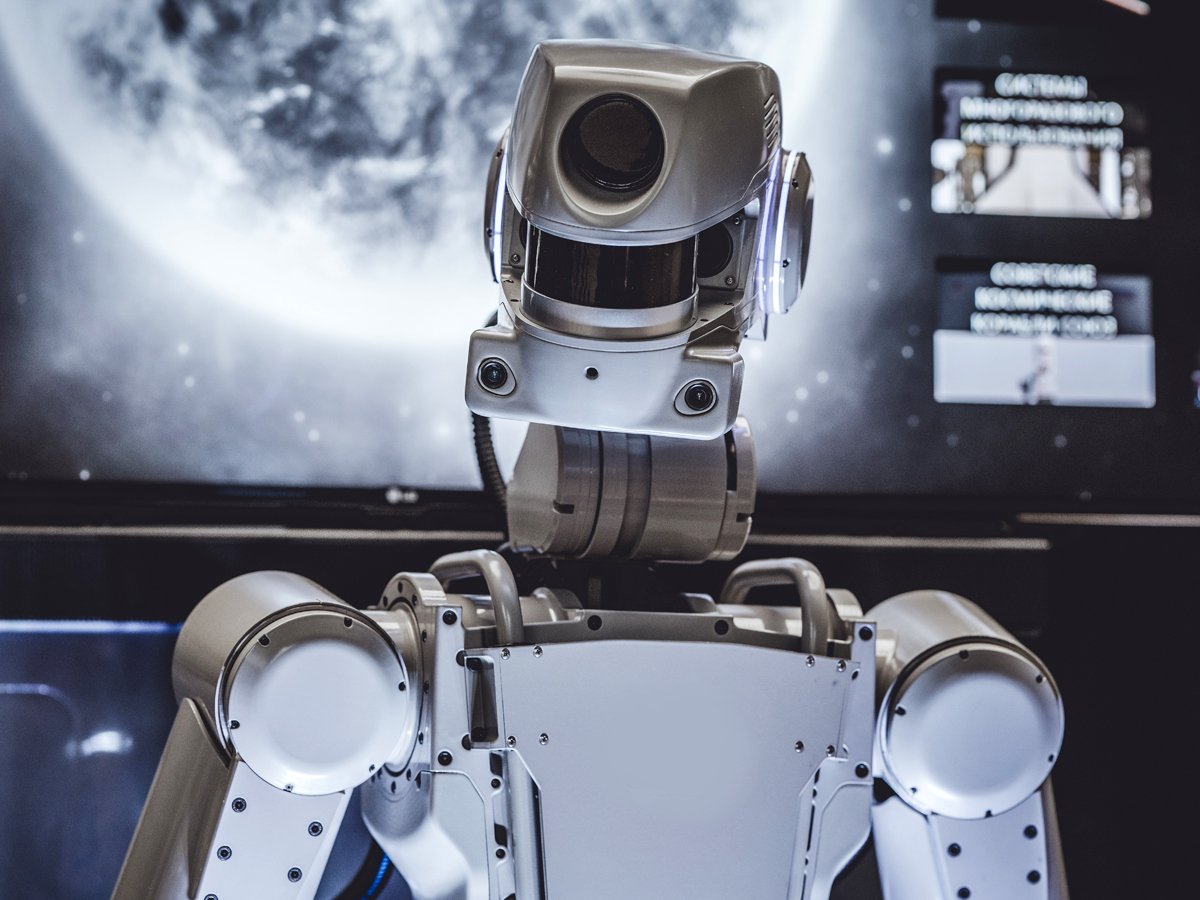
The world is experiencing a technological transformation unlike any before. Digital technologies are reshaping industries, redefining how companies operate, and changing the way people interact, work, and live.
This transformation is widely known as the Fourth Industrial Revolution, a concept that describes the convergence of digital, physical, and biological technologies. For businesses, governments, and professionals, understanding this shift is essential to remaining competitive in a rapidly evolving global economy.
Understanding the Industrial Revolutions
Industrial revolutions have historically marked major turning points in human development.
The first industrial revolution began in the late eighteenth century with the introduction of the steam engine. Mechanization transformed production processes and accelerated industrial growth.
The second industrial revolution emerged during the nineteenth century and introduced advances in electricity, telecommunications, metallurgy, and transportation. Innovations such as the telephone and radio changed communication forever.
The third industrial revolution began around the mid-twentieth century with the rise of computers, software, and the internet. Organizations started digitizing processes to improve efficiency and competitiveness.
Today, the world is entering a fourth stage, driven primarily by intelligent digital technologies.
What Is the Fourth Industrial Revolution?
The Fourth Industrial Revolution refers to the integration of technologies such as artificial intelligence, robotics, cloud computing, the Internet of Things (IoT), virtual reality, machine learning, and automation into everyday life and business operations.
According to Klaus Schwab, founder of the World Economic Forum, this revolution differs from previous ones because of its speed, scale, and impact across industries and societies.
Unlike earlier industrial changes that focused mainly on mechanization or production, this transformation connects physical and digital systems in real time.
For companies, this means adapting to faster innovation cycles, data-driven decision-making, and increasingly automated environments.
The Technologies Driving Industry 4.0
Several technologies are shaping the future of Industry 4.0.
Artificial intelligence allows systems to analyze information, identify patterns, and automate decisions. Robotics improves precision and operational efficiency across industries such as manufacturing, logistics, and healthcare.
The Internet of Things connects devices and systems through data exchange, creating smarter infrastructures and more efficient operations.
Cloud computing enables organizations to scale services rapidly without relying on expensive physical infrastructure. Meanwhile, virtual and augmented reality are changing training, collaboration, and customer experiences.
These technologies are not isolated trends. They are interconnected systems transforming how businesses create value.
The Impact on Business and Employment
The Fourth Industrial Revolution is changing workforce dynamics worldwide.
Automation and intelligent systems are replacing repetitive tasks, while creating demand for new digital skills. Companies increasingly require professionals capable of adapting to technological change and working with emerging tools.
This shift is especially visible in software development, data analysis, cybersecurity, AI, and cloud engineering.
For organizations, digital transformation is no longer optional. Businesses that fail to modernize risk losing competitiveness in increasingly technology-driven markets.
At the same time, this evolution creates opportunities for countries and regions investing in engineering talent and digital infrastructure.
Why Latin America Has an Opportunity to Grow
Latin America is becoming an important player in the global technology ecosystem.
Countries across the region are strengthening their software development industries, investing in engineering talent, and participating in the global digital economy through nearshore models.
As companies in North America and Europe accelerate digital transformation, the demand for reliable technology partners continues to grow.
This creates opportunities for Latin American software companies to contribute through cloud services, AI development, automation, data engineering, and digital product development.
Cities such as Cochabamba in Bolivia continue developing their technology ecosystems, becoming part of the broader regional growth of nearshore software development.
The Human Side of Technological Change
Although technology drives efficiency, adaptation remains a human challenge.
The rapid pace of change requires professionals to continuously learn new skills and adapt to evolving environments. Technical expertise alone is no longer enough. Collaboration, communication, creativity, and problem-solving are becoming equally important.
Organizations must also support this transition by investing in education, reskilling, and long-term workforce development.
The companies and countries that adapt successfully will be those that combine technological innovation with human capability.
Conclusion
The Fourth Industrial Revolution is redefining industries, economies, and societies at a global scale.
Technologies such as artificial intelligence, cloud computing, automation, and the Internet of Things are transforming how organizations operate, innovate, and compete. While this evolution presents challenges, it also creates significant opportunities for businesses and professionals prepared to adapt.
For Latin America, the digital transformation wave represents a strategic opportunity to strengthen its position in the global technology market through engineering talent, innovation, and nearshore software development services.
At AssureSoft, we are proud to be part of this transformation. By helping organizations in North America build scalable software solutions with highly skilled engineering teams in Latin America, we contribute to the region’s growing role in the global technology ecosystem. As technology continues to evolve, companies that embrace innovation, invest in talent, and build strong technology partnerships will be best positioned for long-term success.