User expectations have changed dramatically in recent years. Today, people expect digital products to be intuitive, efficient, and easy to use regardless of the device or platform they are interacting with. A visually appealing application is important, but design alone is not enough. Users ultimately judge a product based on how effectively it helps them accomplish their goals.
This is where User Experience (UX) Design plays a critical role. UX Design focuses on understanding users, identifying their needs, and creating experiences that are simple, useful, and enjoyable. Whether developing a mobile application, enterprise platform, SaaS solution, or e-commerce website, a strong user experience can significantly impact customer satisfaction, engagement, and business success.
As organizations continue investing in digital transformation, UX Design has become an essential component of modern software development strategies.
What Is UX Design?
User Experience Design, commonly known as UX Design, is the process of creating products that provide meaningful and relevant experiences for users. It involves understanding user behaviors, motivations, and challenges to ensure that digital products are easy to navigate and effective in solving real-world problems.
Unlike visual design, which focuses primarily on aesthetics, UX Design addresses the complete user journey. This includes research, information architecture, user flows, wireframing, prototyping, usability testing, and continuous improvement based on user feedback.
The ultimate goal of UX Design is to create products that feel intuitive and natural while helping users achieve their objectives efficiently.
Why UX Design Matters
A poor user experience can negatively affect even the most technologically advanced application. If users struggle to navigate a platform, find information, or complete important tasks, they are likely to abandon the product and look for alternatives.
Organizations that invest in UX Design often experience higher user satisfaction, improved customer retention, and increased product adoption. A well-designed user experience reduces friction, simplifies interactions, and creates trust between users and the product.
Beyond customer satisfaction, UX Design also contributes to business goals. Better user experiences often lead to higher conversion rates, increased engagement, and reduced support costs because users can accomplish tasks more easily without assistance.
Understanding the User Comes First
Successful UX Design begins with understanding the people who will use the product. Designers must identify user needs, challenges, goals, and expectations before creating solutions.
This process typically involves user research, interviews, surveys, and usability studies that provide valuable insights into user behavior. Rather than making assumptions, UX professionals rely on data and feedback to guide design decisions.
By understanding how users think and interact with technology, teams can build products that address real problems while delivering meaningful value.
Key Components of UX Design
UX Design encompasses several disciplines that work together to create effective digital experiences.
User Research
User research helps teams understand customer behaviors, motivations, and pain points. This information serves as the foundation for design decisions and ensures that products are built around actual user needs rather than assumptions.
Research activities may include interviews, surveys, analytics reviews, usability testing, and customer journey analysis. The insights gathered during this stage help teams prioritize features and identify opportunities for improvement.
Information Architecture
Information architecture focuses on organizing content and functionality in a way that makes sense to users. A well-structured application helps users navigate efficiently and find information quickly.
Clear navigation, logical categorization, and intuitive workflows contribute to a smoother experience and reduce user frustration.
Wireframing and Prototyping
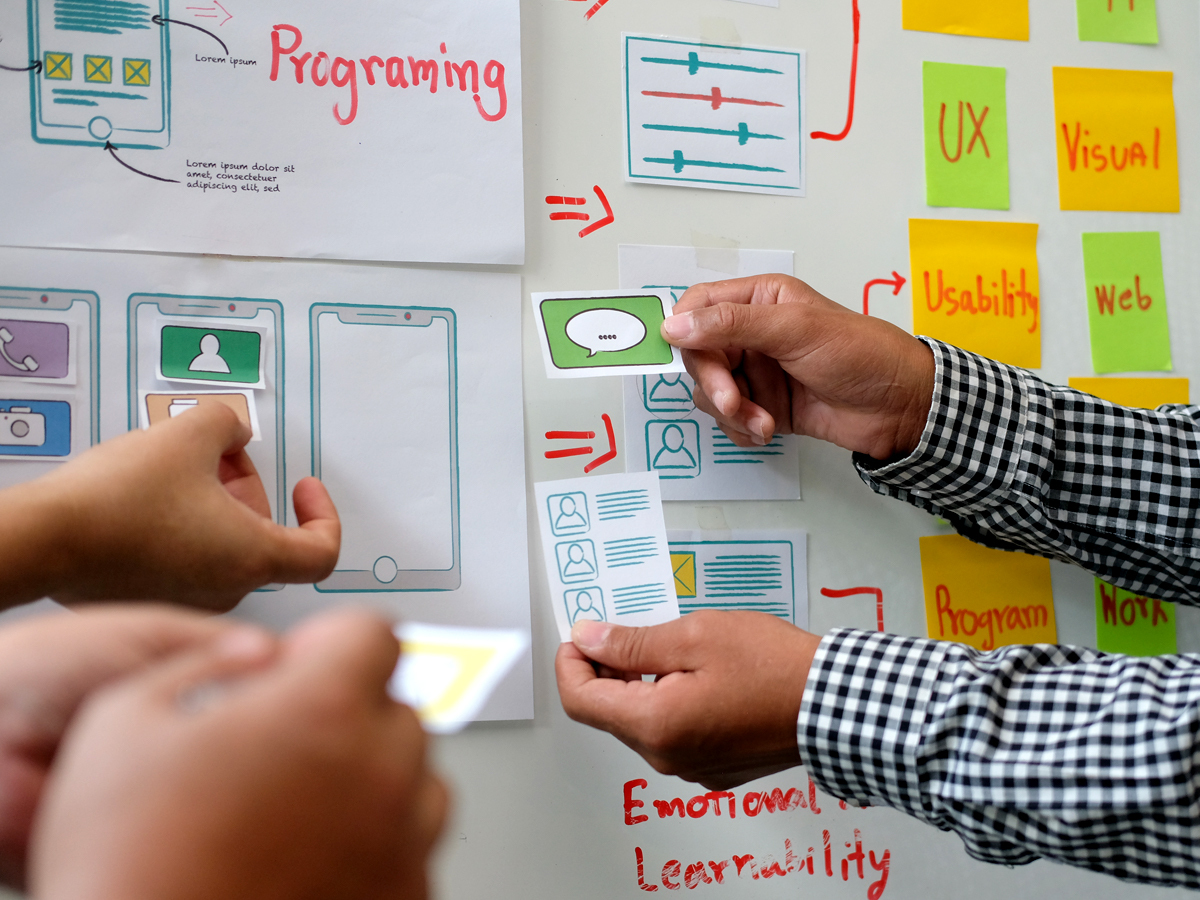
Wireframes and prototypes allow teams to visualize product concepts before development begins. These tools help designers test ideas, validate workflows, and gather feedback early in the process.
Creating prototypes reduces risk because teams can identify usability issues before investing significant development resources. This approach often leads to better products while saving both time and costs.
Usability Testing
Usability testing evaluates how real users interact with a product. By observing users as they complete tasks, teams can identify obstacles, confusion points, and opportunities for improvement.
Testing provides valuable feedback that helps refine designs and ensure that products meet user expectations. Continuous testing and iteration are fundamental principles of effective UX Design.
UX Design and Business Success
Many organizations view UX Design as a competitive advantage because it directly impacts customer perception and engagement. In highly competitive markets, user experience can become a key differentiator between similar products and services.
A positive user experience encourages customers to return, recommend products to others, and maintain long-term relationships with brands. On the other hand, poor experiences can result in frustration, lower adoption rates, and lost business opportunities.
As digital products become increasingly important across industries, organizations that prioritize user-centered design are often better positioned to achieve long-term success.
UX Design in Modern Software Development
UX Design is no longer an isolated activity performed after development begins. Modern software teams integrate UX professionals throughout the entire product lifecycle, from discovery and planning to development and continuous improvement.
Agile development methodologies have strengthened the relationship between design and engineering by encouraging ongoing collaboration between designers, developers, product owners, and stakeholders. This integrated approach helps ensure that user needs remain central throughout the development process.
At AssureSoft, we believe that successful software products require a balance between technical excellence and user-centered design. By combining experienced engineering teams with strong UX practices, organizations can create digital solutions that are both functional and enjoyable to use.
The Future of UX Design
As technology continues evolving, UX Design will become even more important. Emerging technologies such as artificial intelligence, voice interfaces, augmented reality, and connected devices are creating new opportunities and challenges for designers.
Future digital experiences will need to be more personalized, accessible, and adaptable to changing user expectations. Organizations that invest in UX capabilities today will be better prepared to deliver innovative solutions that meet the demands of tomorrow's users.
Continuous learning, user research, and iterative design practices will remain essential components of successful UX strategies in the years ahead.
Conclusion
UX Design is about much more than creating attractive interfaces. It is a strategic discipline focused on understanding users and designing experiences that are intuitive, effective, and valuable.
Organizations that prioritize UX Design can improve customer satisfaction, increase engagement, and create stronger digital products that support business growth. As digital transformation continues accelerating across industries, user-centered design will remain a critical factor in the success of software applications and digital platforms.
At AssureSoft, we help organizations build software solutions that combine technical expertise with exceptional user experiences. Through collaborative design and development practices, our teams create digital products that deliver value for both businesses and the people who use them.