Artificial intelligence is reshaping financial services at a rapid pace. Fraud detection now depends on real-time machine learning, risk analysis platforms process massive volumes of transactional data, and customer experiences are increasingly powered by predictive models and personalized recommendations.
Behind these initiatives lies a shared operational challenge: data scalability. As FinTech companies expand their AI strategies, they need infrastructure capable of processing large volumes of information reliably, securely, and in real time.
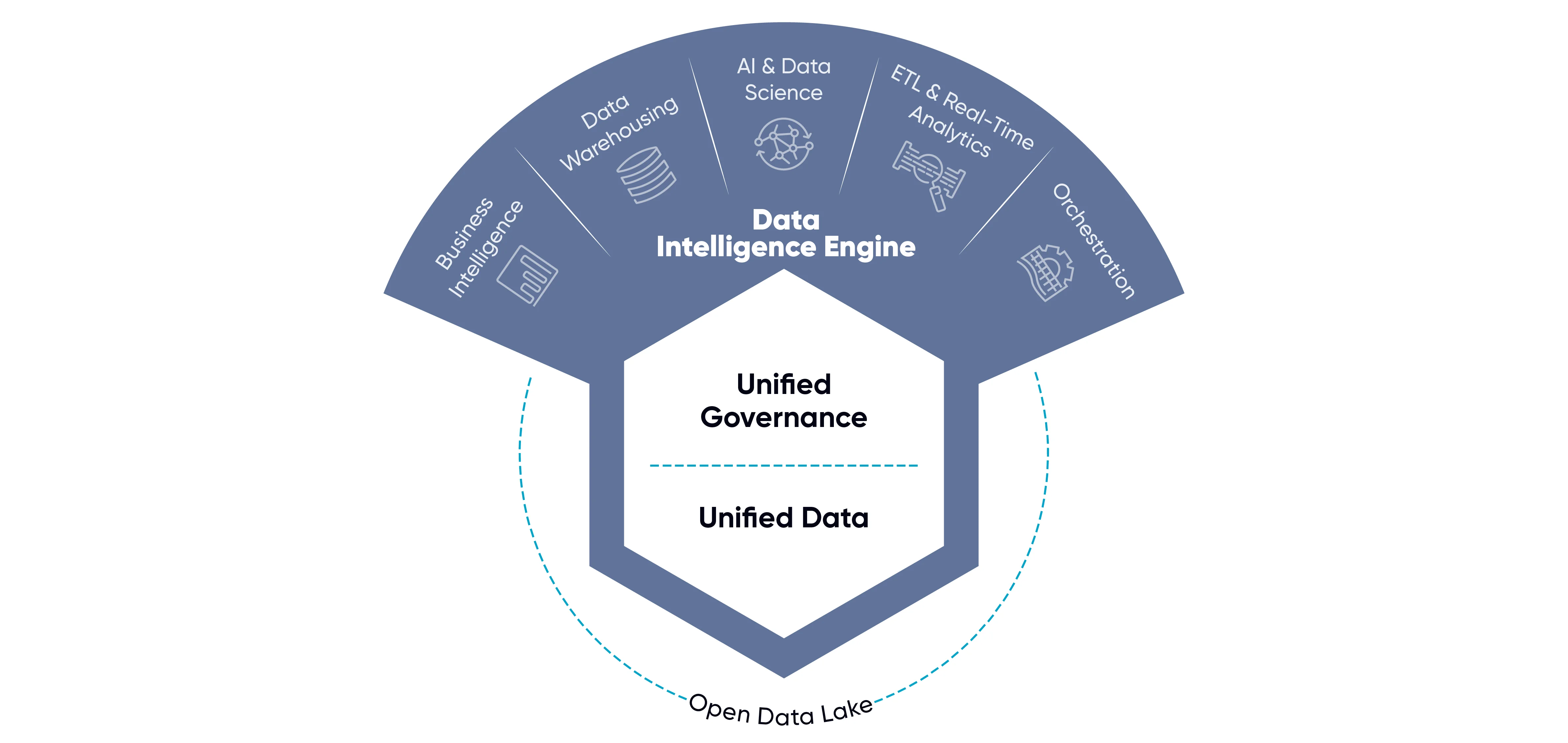
As a result, Databricks adoption continues to grow across the FinTech industry. The platform has become essential for organizations building modern AI and analytics ecosystems because it gives teams a unified environment for data engineering, machine learning, and analytics.
Wider adoption, however, has also exposed a growing talent problem. Experienced Databricks engineers are in short supply, delaying infrastructure projects, increasing hiring costs, and creating pressure on financial technology teams that need to scale AI and data capabilities quickly.
To keep critical initiatives moving, engineering leaders are rethinking how they build and expand technical teams. Many organizations are turning to staff augmentation to access experienced data and AI engineers more quickly, while maintaining control over architecture, delivery standards, and internal engineering processes.
Why the Databricks Talent Shortage Is Growing Across FinTech
According to Databricks enterprise AI research, organizations are increasing investments in generative AI, machine learning operations, and unified data infrastructure as AI becomes central to long-term business strategy. In financial services, that shift is especially visible because data is directly connected to risk, compliance, customer experience, and operational performance.
FinTech platforms rely on large-scale, real-time data processing to support critical operations. Fraud prevention systems analyze transactions continuously, digital banking platforms personalize user experiences instantly, and payment systems require low-latency infrastructure capable of processing millions of events without interruption.
Engineers working in these environments need more than general software development experience. Strong candidates must understand distributed data systems, streaming pipelines, Spark infrastructure, cloud-native architectures, and machine learning workflows, all within systems where reliability and security are non-negotiable.
Modern FinTech platforms require engineers capable of managing:
- Real-time fraud detection pipelines
- Streaming analytics infrastructure
- AI and ML orchestration
- Data governance and compliance workflows
- Scalable cloud-native architectures
Although Databricks helps organizations centralize analytics and machine learning operations, successful implementation still depends on engineers with deep technical and operational experience. For many FinTech companies, the real challenge is not adopting the platform but finding the right people to scale it effectively.
The Databricks Certification Gap Is Expanding the Talent Shortage
As demand rises, certifications have become increasingly important in hiring decisions.
Organizations now look for professionals with credentials such as:
| Certification | Focus Area |
| Databricks Certified Data Engineer Associate | Data pipelines and ETL |
| Databricks Certified Machine Learning Professional | ML workflows and model deployment |
| Databricks Certified Data Analyst Associate | Analytics and reporting |
| Databricks Certified Professional Data Engineer | Advanced platform architecture |
These certifications validate familiarity with the platform but do not fully address the hiring challenge.
Many certified professionals have limited exposure to the operational demands of financial technology systems. Teams need engineers who understand infrastructure reliability, governance requirements, scalability, monitoring, and AI deployment under high transactional loads.
For hiring managers, the challenge is not simply finding Databricks-certified professionals. Strong candidates must be able to apply that knowledge in complex, regulated, high-pressure environments where performance, compliance, and reliability are business-critical.
The Databricks Talent Shortage Is Increasing Salary Inflation Across AI Hiring
A limited supply of specialized data and AI engineers is driving salaries higher across the market. Large enterprises, FinTech startups, and AI-focused companies are competing for the same talent pool, especially when searching for senior engineers with hands-on Databricks experience.
As competition increases, recruiting pressure rises, and hiring timelines stretch. Organizations that need senior Databricks engineers often spend several months sourcing, interviewing, and negotiating with candidates, only to face strong competition from companies with aggressive compensation packages.
Long hiring cycles create serious operational challenges for teams trying to launch AI initiatives quickly. Projects involving risk modeling, analytics modernization, and data infrastructure optimization often cannot wait for traditional recruiting processes to catch up.
Because of these constraints, many engineering leaders are adopting more flexible scaling strategies. Instead of relying exclusively on internal hiring, they are exploring models that enable them to access specialized expertise more quickly while preserving technical ownership.
Build vs Hire vs Staff Augmentation for the Databricks Talent Shortage
As the talent shortage intensifies, FinTech organizations typically adopt one of three approaches:
| Model | Internal Hiring | Outsourcing | Staff Augmentation |
| Hiring Speed | Slow | Medium | Fast |
| Team Visibility | High | Low | High |
| Specialized Databricks Expertise | Limited availability | Variable | Direct access |
| Long-Term Flexibility | Low | Medium | High |
| Operational Alignment | Strong | Fragmented | Embedded collaboration |
| Scalability | Difficult | Moderate | Flexible |
Internal hiring gives companies strong ownership of technical decisions, but scaling through recruitment alone is often slow due to market competition and limited talent availability. For teams under pressure to deliver AI initiatives, waiting several months for the right candidate can delay important infrastructure work.
Outsourcing can accelerate delivery in the short term, especially when companies need support for defined projects. However, external teams may reduce operational visibility and create inconsistencies in collaboration, documentation, and long-term technical alignment.
Staff augmentation offers a more balanced model for organizations that need both speed and control. Companies can bring specialized engineers into existing teams, maintain architectural ownership, and expand delivery capacity without separating critical work from internal workflows.
For AI infrastructure projects, continuity, visibility, and alignment are just as important as technical expertise. Staff augmentation supports all three by allowing engineers to collaborate directly with internal teams while contributing Databricks, data engineering, and AI skills that are difficult to hire quickly.
Why Staff Augmentation Helps Solve the Databricks Talent Shortage Faster
Staff augmentation helps FinTech organizations move faster without losing control over technical decisions or delivery standards. Instead of waiting months to hire specialized Databricks engineers, companies can integrate experienced talent into existing workflows and accelerate critical AI and data projects.
Internal teams continue to own their tools, processes, and engineering standards while gaining the support needed to scale. For organizations facing compressed AI adoption timelines, that balance of speed and control can make a meaningful difference.
Nearshore staff augmentation also improves communication and continuity. Aligned time zones make it easier to collaborate during architecture planning, infrastructure scaling, production support, and day-to-day delivery.
Why Nearshore Staff Augmentation Works Better for Distributed AI Teams
Distributed AI and data teams depend on close coordination between data engineers, ML specialists, DevOps teams, security stakeholders, and product leaders. When communication is delayed, experimentation, deployment, monitoring, and troubleshooting can slow down.
Nearshore staff augmentation reduces these gaps by enabling real-time collaboration across similar time zones. Engineers can join planning sessions, sprint ceremonies, production support discussions, and urgent troubleshooting without major scheduling delays.
For FinTech systems that depend on reliability, speed, and accuracy, stronger collaboration can improve both delivery speed and operational stability.
Why Databricks Certifications Alone Do Not Guarantee Success
Certifications help validate Databricks expertise, but successful FinTech projects require more than platform familiarity alone. Engineers also need experience with production systems, high transaction volumes, governance, monitoring, and cloud scalability.
Fraud detection environments require low latency and constant availability, while AI infrastructure must remain stable as data changes continuously. Without this operational experience, even certified professionals may struggle in complex financial environments.
Embedded engineering models often work better than isolated outsourcing because engineers gain context, align with internal standards, and support long-term scalability more effectively.
How FinTech Teams Are Using Staff Augmentation to Scale AI Infrastructure
More FinTech organizations are adopting staff augmentation as a long-term scaling strategy rather than a temporary solution.
With the right staff augmentation partner, teams can:
- Scale AI initiatives faster.
- Reduce hiring bottlenecks.
- Maintain engineering consistency.
- Expand data infrastructure incrementally.
- Access specialized expertise on demand.
For companies modernizing analytics platforms or building machine learning operations at scale, staff augmentation offers a practical way to grow without repeatedly rebuilding teams.
The Databricks Talent Shortage Will Continue Reshaping FinTech Hiring
Demand for Databricks expertise will continue to grow as AI adoption expands across financial services. FinTech companies need engineers who can support scalable infrastructure, real-time analytics, AI operations, and production-grade data environments.
Traditional recruiting alone cannot keep pace with market demand. As hiring timelines lengthen and competition for senior talent increases, more companies are turning to flexible team scaling models.
Staff augmentation offers a practical way to access specialized Databricks expertise without sacrificing operational continuity or architectural control.
To scale your AI and data engineering capabilities with experienced nearshore talent, connect with AssureSoft’s team.
Image credit: Microsoft